
OdorZorb Odor Neutralizer
OdorZorb is an environmentally friendly odor control chemical that comes in various formulations. The concentrate contains simple sugar molecules that resemble a honeycomb or a zeolite molecule. The unoccupied space in each molecule allows for absorption of many times its own weight in odorous molecules.
 Request a Quote
Product Description
OdorZorb neutralizes malodorous molecules and comes in scented and unscented formulations for a variety of applications. OdorZorb formulations are non-hazardous, non-flammable, non-corrosive, non-volatile. Apply OdorZorb topically or atomize into the air using a high-pressure misting system.
Applications
- Landfill waste odors
- Compost site odors
- Transfer station odors
- Dumpster & trash bin odors
- Garbage & waste truck odors
- Rendering plant odors
- Totter odors
- Wastewater odors
- Lift station odors
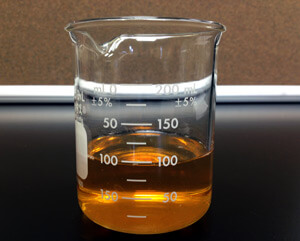
OdorZorb Uses
| Formulation Name | Usage | Application |
| OdorZorb 411 | toilets, port-a-johns | topical |
| OdorZorb 412 | smoke, tobacco, petroleum, and gasoline | mist |
| OdorZorb 413 | limestone, cement, mold, sweat, and aluminum dross | mist |
| OdorZorb 414 | ammonia, fish, urine, tobacco | mist |
| OdorZorb 417 | petroleum, oil drilling, and sludge | topical |
| OdorZorb 427 | hydrogen sulfide, natural gas, carboxylic, voleric, and butyric acids | mist |
| OdorZorb 428 | compost, landfills, and municipal waste | topical, mist |
| OdorZorb 429 | dairy, meat sludge | mist |
| OdorZorb 436 | landfills, dumpsters, and vegetable decay | mist |
| OdorZorb 438 | landfills, pump stations, and dumpsters | topical |
| OdorZorb 442 | grass, yard, green wastes | topical |
| OdorZorb 443 | mercaptan, oil drilling sludge odors | topical |
| OdorZorb 446 | car wash reclaim water, hydrogen sulfide, municipal wastewater | topical |
| OdorZorb 471 | lift stations, hydrogen sulfide, digesters, wastewater lagoons | mist |
| OdorZorb 474 | fats, oils, wet wells, grease traps | topical |
| OdorZorb 475 | sepctic leach fields | mist |
| OdorZorb 490 | dairy, meat processing, animal renderings | mist |
Specialty Chemicals
Filtration Media